I studied the leaf wettability characteristics of tree species at a Dallas, TX elementary school to support a study commissioned by the Texas Trees Foundation. A goal of this report was to make suggestions on what tree species filter more air pollutants in an urban vegetation barrier.
View the Particulate Matter Filtration by Urban Vegetation Report on the Texas Trees Foundation Website. I designed the report, assisted in writing, designed graphics, and contributed my photography.
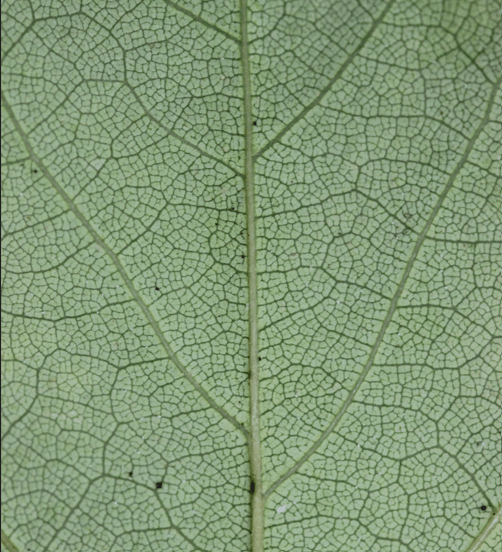
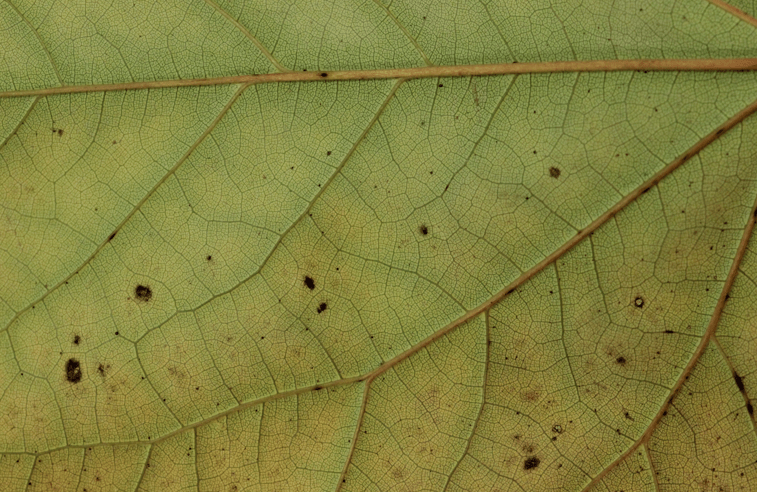
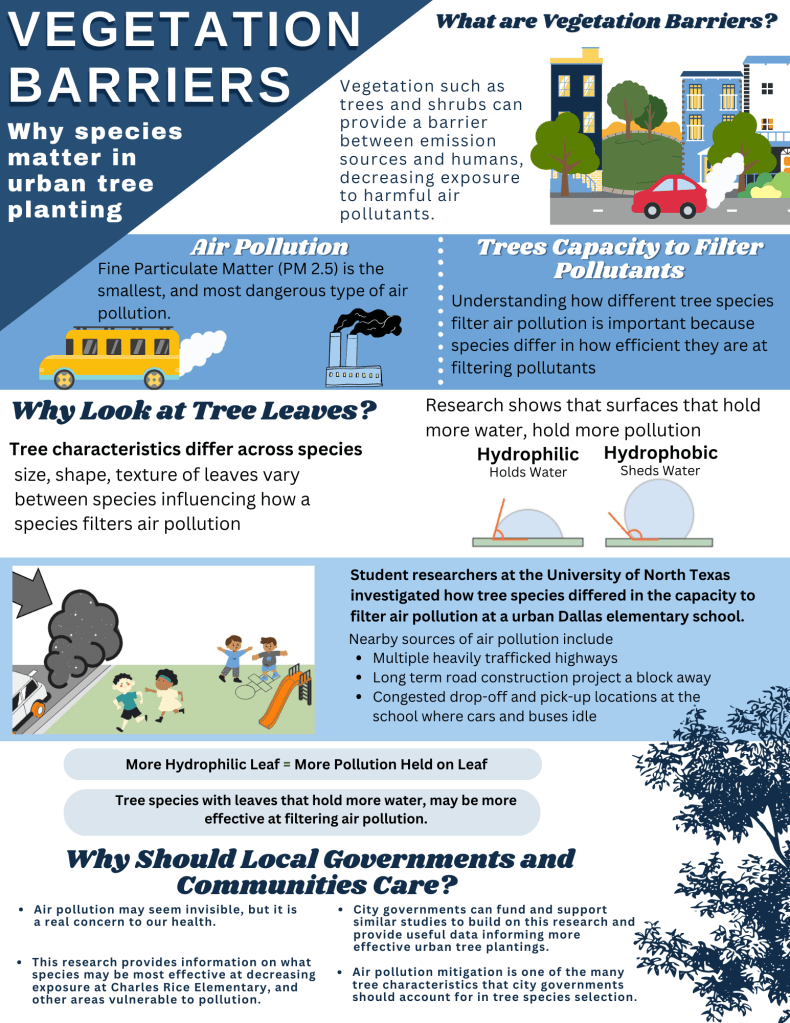
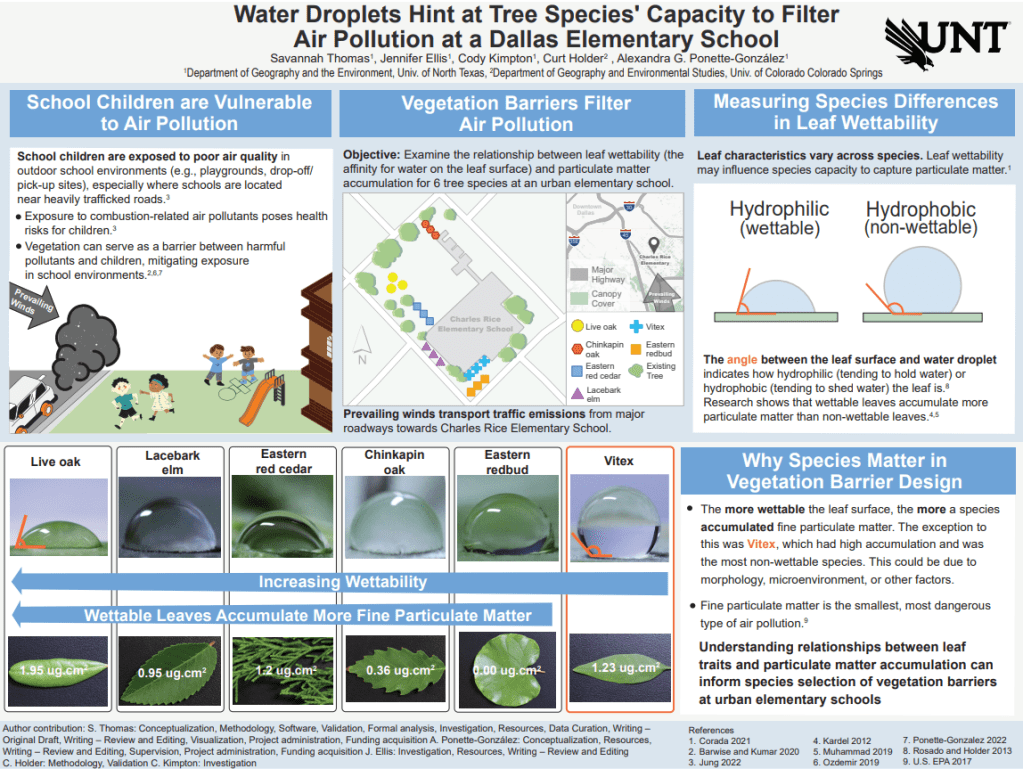
Info graphic overviewing the importance of vegetation barriers in urban spaces.
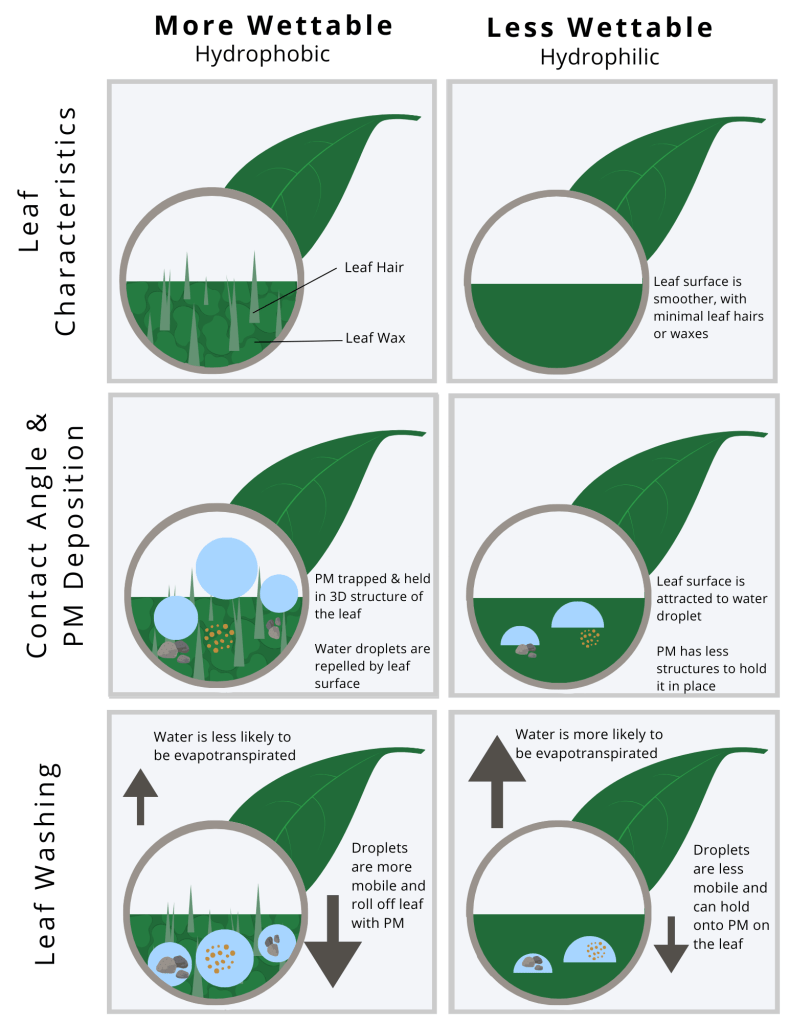
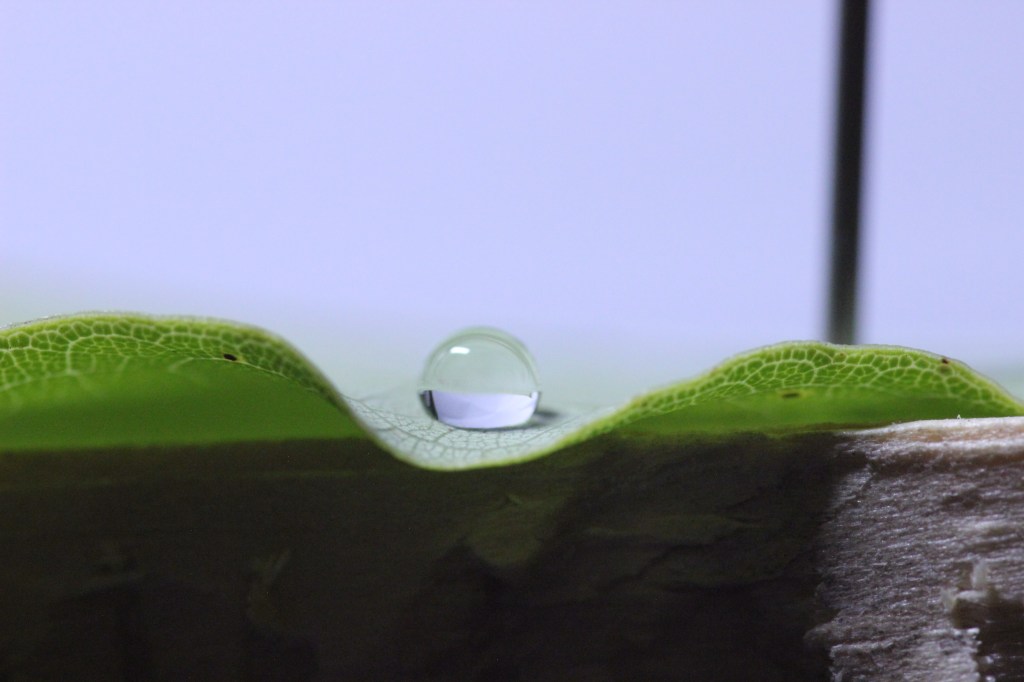
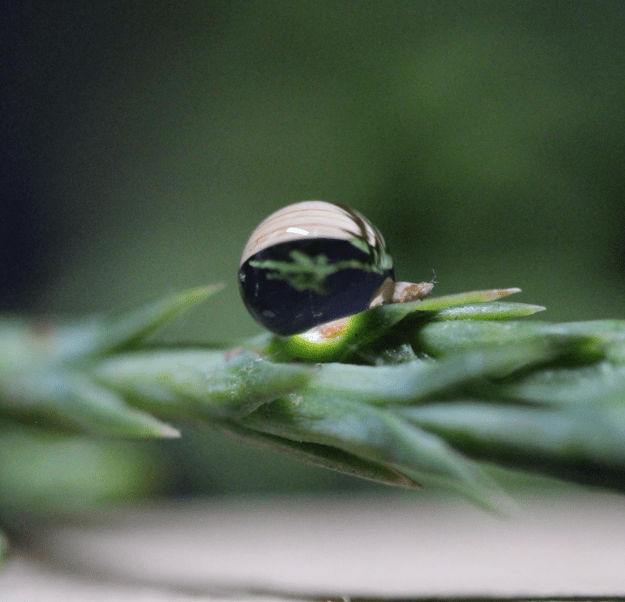
Leaf wettability is often measured to characterize the water-shedding properties of a leaf surface. Leaves with higher contact angles have hydrophobic properties, meaning that water is more easily shed from the leaf. They can be classified as non-wettable, highly non-wettable, or superhydrophobic. Leaf surfaces with lower contact angles have hydrophilic properties that cause water to be held on the leaf. They can be classified as wettable, highly wettable, or superhydrophilic.
pg. 38 in the Particulate Matter Filtration
by Urban Vegetation at
Charles Rice Learning
Center 2022 report
 Savannah Thomas